
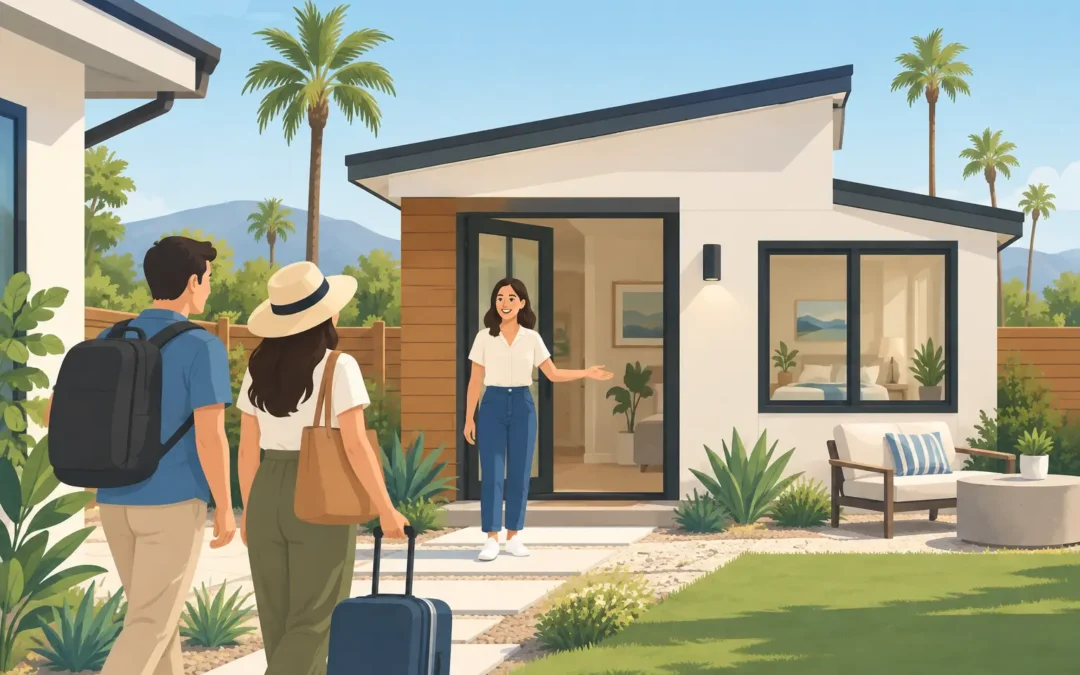
A spare bedroom can handle a weekend visit. An accessory dwelling unit can do much more. For Southern California homeowners trying to make room for parents, adult children, caregivers, or visiting family, the question is often simple: can guests live in ADUs? Usually, yes – but the arrangement must match the unit’s permit, local rules, and the way the property is being used.
An ADU is not just a detached room in the backyard. It is a legal dwelling unit with its own requirements for sleeping, cooking, sanitation, safety, and access. That distinction matters when a short-term guest becomes someone who stays for months or makes the unit their home.
Can Guests Live in ADUs Long Term?
In many cases, a guest can live in a permitted ADU for an extended period. California ADU laws are designed to create more housing options, including space for multigenerational families and long-term renters. A homeowner may allow a relative, friend, caregiver, or other guest to occupy the unit, provided the ADU was legally approved and local occupancy rules are followed.
The word “guest” can be misleading, though. A person staying for a few nights is different from a person who receives mail there, keeps belongings there, contributes to utilities, or lives there as their primary home. Once a stay becomes ongoing, it may be treated as a tenancy even if no formal lease was signed.
That does not make the arrangement a problem. It simply means the owner should treat it seriously. Clear expectations, written agreements when money is involved, and a properly permitted unit protect both the homeowner and the person living there.
Start With the ADU’s Legal Status
Before inviting someone to move in, confirm that the structure is actually approved as an ADU. A converted garage, backyard cottage, manufactured home, or modular guest house may look like a separate living space, but it needs the appropriate permits and certificate or final approval from the local jurisdiction.
A legal ADU generally has the features of an independent residence: a place to sleep, a kitchen or cooking area, and a bathroom. It also must meet building, fire, utility, setback, and access requirements. Requirements vary by city and county, which is especially relevant in Southern California, where rules can differ between Los Angeles, Ventura County, Orange County, Riverside County, and individual cities.
Do not assume an older guest house is automatically legal because it has been on the property for years. Some properties have unpermitted additions or structures that were never approved for residential occupancy. Asking a city or county planning and building department about the property’s records is a smart first step before someone moves in.
A Factory-Built Home Can Be Part of the Conversation
Some homeowners consider a manufactured or modular home as a backyard living solution. This can be a practical way to create separate space for family, but it is not automatically an ADU simply because it is small or delivered to the property.
The home, foundation, installation, utilities, permits, and local zoning all need to line up. A factory-built option may be well suited for a permitted guest house or ADU project, yet the local agency makes the final determination on whether the site and structure meet its rules. Planning the approval path before choosing a floor plan can prevent expensive changes later.
Guests, Family Members, and Paying Tenants
Who lives in the ADU affects the decisions an owner needs to make. A parent living nearby for support, an adult child saving for a home, and a tenant paying monthly rent are all common situations, but they are not handled exactly the same way.
If family members live in the ADU without paying rent, the arrangement may be informal, but it should still be discussed clearly. Talk about utilities, parking, pets, visitors, noise, storage, and how long the arrangement is expected to last. These conversations can feel awkward before move-in day and much harder afterward.
If the resident pays rent, use a written rental agreement. California tenant protections can apply even when the tenant is a friend or relative and even when rent is below market rate. A lease can establish the rent amount, due date, term, utilities, maintenance responsibilities, parking rules, and notice requirements. It is far better to put expectations in writing than rely on a handshake.
Homeowners should also understand the difference between long-term occupancy and short-term rentals. Many cities place restrictions on using ADUs for vacation-style or short stays. Renting an ADU to a family member for several months is generally a different issue from advertising it for nightly stays. Check local rules before treating an ADU as short-term rental income.
Rules That Can Affect ADU Occupancy
There is no single answer for every property. Local planning rules, deed restrictions, insurance requirements, and neighborhood association policies can all shape what is allowed. The practical questions usually come down to the following:
- Is the ADU permitted for residential occupancy, and does the approved plan match its current layout?
- Does the city or county have a minimum rental term or limits on short-term rentals?
- Are there parking, driveway, street-parking, or access concerns for another household member?
- Does an HOA, mobilehome park, or recorded property restriction add separate rules?
- Will an insurer require notice that a separate unit is occupied or rented?
A permitted ADU can offer valuable flexibility, but it does not override every other rule attached to a property. For example, a homeowner may be allowed to rent the ADU long term while still needing to follow HOA rules about parking or exterior changes. Owners should review the property’s documents rather than assume state ADU law answers every question.
Make the Space Safe for Everyday Living
A guest who lives in an ADU needs more than a bed and a key. The unit should be ready for daily life. Working smoke and carbon monoxide alarms, safe electrical service, weatherproofing, proper ventilation, secure exits, and reliable heating are basic priorities.
Privacy matters, too. Separate entrances, adequate lighting, defined walkways, and reasonable sound separation make the arrangement more comfortable for everyone. If an older parent or someone with mobility limitations will live there, think ahead about steps, door widths, bathroom access, and the distance to parking.
Utility planning is another common issue. Some ADUs have separate meters; others share electricity, gas, water, and trash service with the main home. Either setup can work, but the occupants should know how bills will be handled. A written agreement prevents confusion when summer air-conditioning or higher water use changes the monthly cost.
Plan for the Relationship, Not Just the Building
An ADU gives families valuable breathing room. It can let grandparents stay close without crowding the main house, give an adult child time to save, or provide a caregiver with a private place to live. At the same time, separate walls do not eliminate the need for boundaries.
Before move-in, talk through everyday details: quiet hours, shared yard use, laundry, pets, guests, maintenance requests, and whether either party can enter the unit without notice. If the arrangement is temporary, identify a likely end date or the conditions that would change it. Respectful conversations are part of making multigenerational living work.
For owners planning a new ADU or guest-house project, start with the intended use. A compact space for occasional visitors may have different needs than a home for a parent living independently year-round. The right floor plan, site layout, and approval strategy should support the real purpose of the space.
Mobile Home Factory helps Southern California buyers explore factory-built home options and understand the practical steps around selecting, transporting, and planning for additional living space. For a guest-house or ADU idea, get local permitting guidance early, then choose a home design that gives your family room to live comfortably – not just room to stay.