
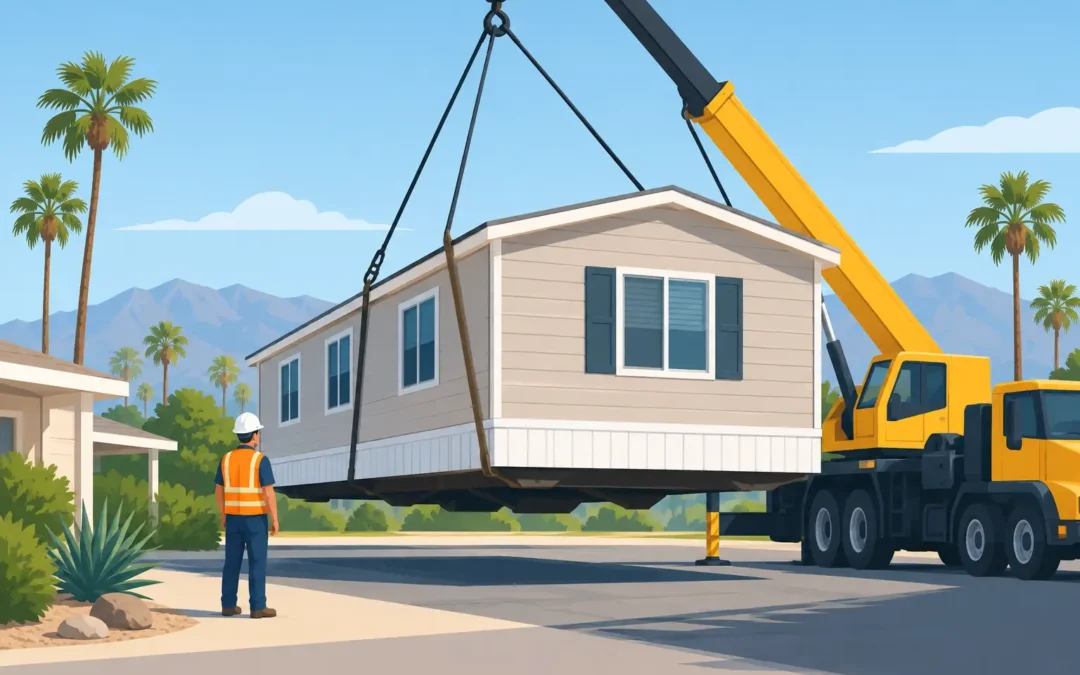
An older home can stand between a property owner and a much better housing plan: a newer manufactured home, more room for family, or an updated guest-house setup. So, what is mobile home removal? It is the coordinated process of disconnecting, dismantling or transporting, and legally clearing an existing mobile or manufactured home from a property or mobile home community.
It is more involved than placing a call for a demolition crew. The home may need utility disconnections, permits, title paperwork, park approval, transport planning, asbestos testing, and site cleanup before a replacement home can be installed. The right approach depends on the home’s age, condition, location, and whether it can safely be moved.
What Is Mobile Home Removal, Exactly?
Mobile home removal is the process of taking a home off its current site. In some cases, that means preparing an intact home for transport to another approved location. In other cases, it means demolishing the home and hauling away the materials because relocation is not practical, allowed, or safe.
People often use mobile home and manufactured home interchangeably, but the distinction can matter. A mobile home generally refers to a factory-built home constructed before June 15, 1976. A manufactured home is built after that date under federal HUD standards. Either type may need to be removed when it is no longer suitable for the site, has reached the end of its useful life, or is being replaced with a newer home.
Removal is commonly part of a replacement project. A homeowner may want a current floor plan with better energy performance, modern finishes, accessible features, or more space for a growing or multigenerational household. For many Southern California owners, replacing an older unit is a practical way to improve a property without taking on the cost and long timeline of conventional site-built construction.
Moving a Home vs. Demolishing It
The biggest decision is whether the home can be moved whole or should be dismantled and disposed of. A home that is structurally sound, properly titled, and eligible for placement elsewhere may have resale or relocation value. It still needs a qualified transporter, route planning, required permits, utility disconnections, and a receiving site that meets local rules.
Demolition is usually the more realistic option for a severely damaged, outdated, water-affected, or structurally compromised home. It may also make sense when transport costs exceed the home’s value. A home that has been heavily modified, sits in a difficult-access location, or cannot meet current installation requirements may not be a good candidate for relocation.
This is where an on-site evaluation matters. What looks like a simple haul-away can become more complicated if the home has additions, porches, carports, attached decks, built-in awnings, or older utility connections. These items often have to be removed separately before the main structure can leave the site.
When relocation may make sense
Moving may be worth considering when the home is in good condition, the title is clear, and there is a confirmed destination. It can be appealing for owners who want to sell the existing home or preserve it for use on another eligible property. However, transportation is only one part of the cost. Reinstallation, foundation work, utility connections, permits, and code requirements at the new location must also be considered.
When demolition is usually the better choice
Demolition may be the better path when a home is beyond repair or when the property is being prepared for a new manufactured home. It clears the way for grading, foundation or pad preparation, utility upgrades, and a cleaner installation schedule. While demolition can feel final, it may prevent spending money trying to relocate a home that will require substantial repairs afterward.
What Happens During the Removal Process?
Every property is different, but a properly planned removal follows a clear sequence. The first step is an assessment of the home, site access, ownership documents, and the owner’s goal. Is the home being sold and moved, demolished, or replaced on the same lot? The answer shapes everything that follows.
Next come permits and approvals. In a mobile home park, management typically has rules for removal, contractor access, scheduling, and restoration of the space. On private land, city or county requirements may apply. Areas across Los Angeles County, Ventura County, Orange County, Riverside County, San Bernardino County, and San Diego County can have different local procedures, so assumptions can create delays.
Utilities must be disconnected safely. This can include electricity, gas, water, sewer, propane, cable, and other services. A professional team coordinates the appropriate shutoffs and avoids leaving dangerous or unapproved connections behind. If the home has an older heating system, damaged materials, or suspected hazardous components, testing and specialized handling may be required before demolition begins.
The structure is then prepared for removal. For a transport move, skirting, tie-downs, stairs, attached structures, and exterior obstacles are addressed. The home may be separated into sections if it is a multi-section unit. For demolition, crews remove components in a controlled order, load debris for disposal or recycling, and clear the site.
The final stage is site restoration. Depending on the next step, this may mean removing the old foundation system, filling or grading areas, capping utilities, or preparing the space for a replacement home. If a new manufactured home is coming in, early planning helps prevent a gap between removal and installation work.
Permits, Titles, and Approvals Can Affect the Timeline
Paperwork is not the exciting part of a housing project, but it can determine whether removal moves forward smoothly. A clear title is especially important if the home will be sold, moved, or transferred. Outstanding liens, missing documentation, or ownership questions should be addressed before transport is scheduled.
Park residents should also review their lease and community rules before committing to a removal plan. Some communities have requirements for notice periods, approved contractors, insurance, restoration standards, and the timing of work. If the home is being replaced, ask whether the new home must meet size, design, or age requirements.
On private property, zoning, setbacks, utility capacity, and site conditions can influence what comes next. A removal project may be simple, but a replacement project needs a broader plan. That is why it helps to think beyond the old home and consider the new foundation, delivery path, floor plan, and installation requirements from the start.
What Does Mobile Home Removal Cost?
There is no honest one-price answer. Cost depends on whether the home is moved or demolished, its size and condition, site access, attached structures, permit requirements, utility work, disposal fees, and any hazardous-material handling. A single-section home with clear access can be very different from a double-section home with a carport, deck, tight streets, and years of additions.
Transportation can also become more expensive when a route requires escorts, specialty equipment, utility-line coordination, or long-distance travel. Demolition costs can rise if there is extensive debris, difficult access, or materials that require special handling. The lowest initial quote is not always the best value if it excludes permits, utility coordination, debris disposal, or final site cleanup.
Ask for a detailed estimate that identifies what is included and what could change the price. A useful estimate should address the home itself, attached structures, utility disconnection, hauling, disposal, site cleanup, permits, and any work needed to prepare for a replacement home.
Plan Removal Around Your Next Home
If you are removing an older home to make room for a newer manufactured home, coordinate both projects early. The replacement home’s dimensions, delivery route, foundation requirements, utility locations, and local approvals can affect how the old home should be removed and how the site should be left.
Mobile Home Factory helps Southern California buyers consider the full picture, from available factory-built home options and floor plans to transportation-related requirements. For families comparing the long-term cost of ownership with continued rent increases, replacing an older home can be a meaningful step toward a more comfortable and dependable living situation.
A removal project is not just about taking something away. With the right planning, it is the first practical step toward putting a better home in its place. Request a free estimate, bring your property questions forward early, and make sure the removal plan supports the home you want next.