
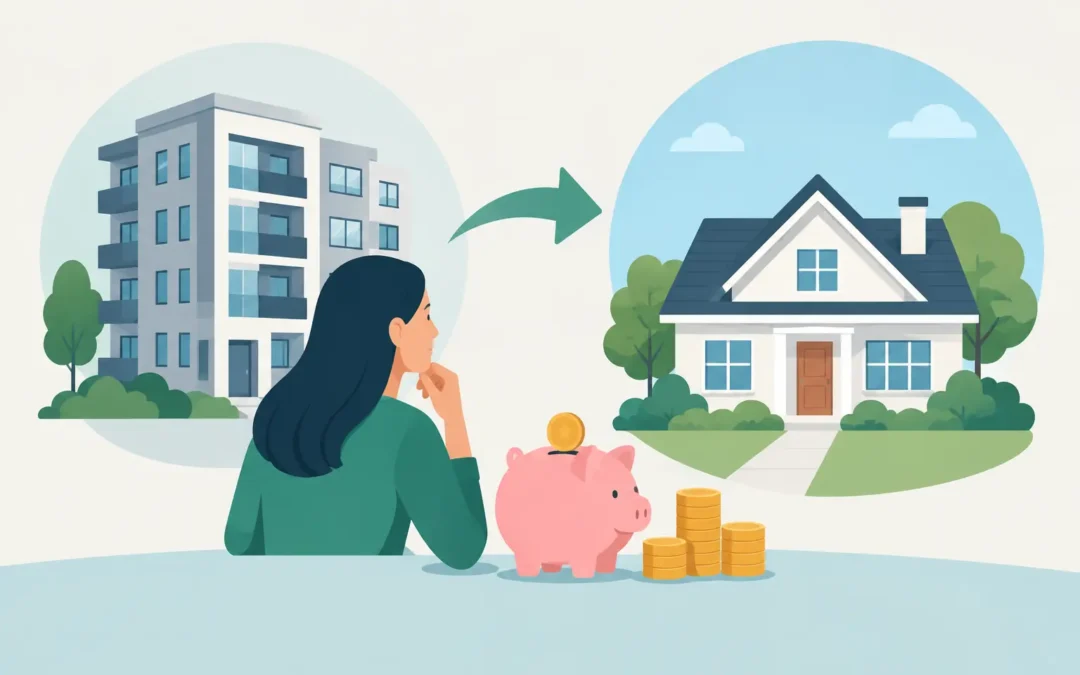
A $2,700 rent payment can feel permanent when it takes up a large share of every paycheck. But a rental savings homeownership example can show how that same monthly housing budget may support a move toward ownership, especially when a manufactured home is part of the conversation. The point is not that buying is automatically cheaper. The point is to compare real numbers, ask the right questions, and see whether your rent could be doing more for your future.
For many Southern California households, a manufactured home offers a more attainable purchase price than a conventional site-built home. That can make ownership worth exploring for first-time buyers, families needing more room, and property owners looking at a guest house or replacement home.
A Rental Savings Homeownership Example for SoCal Buyers
Imagine a couple renting a two-bedroom apartment in the San Fernando Valley for $2,700 per month. Their rent has increased twice in the last three years, and they expect another increase at renewal. They have saved $35,000 and have stable income, but purchasing a traditional detached home in their preferred area feels out of reach.
They begin looking at a new manufactured home in a land-lease community. The home price is $185,000. Their actual options will depend on the home, community, lender, credit profile, down payment, and current rates, but this example gives them a starting point.
With a $25,000 down payment, their financed amount is approximately $160,000 before financing costs. Suppose their estimated principal and interest payment is $1,250 per month. The community space rent is $950, homeowners insurance is $110, and estimated property taxes are $185 per month. Their estimated total monthly housing cost is $2,495.
That is about $205 less than their current rent. More importantly, part of the monthly payment goes toward paying down their loan balance rather than only covering the right to occupy a rental unit. If their rent rises to $2,850 next year while their loan payment remains fixed, subject to the terms of their financing, the gap could grow.
This is not a promise of savings. Space rent, taxes, insurance, utility costs, maintenance, and financing can all change. Still, it shows why comparing the complete monthly picture is more useful than looking at the home price alone.
What the Numbers Leave Out
The monthly payment gets attention because it is easy to compare with rent. The upfront costs and long-term responsibilities deserve the same level of attention.
In the example above, the buyers used $25,000 toward their down payment. The rest of their $35,000 savings may need to cover closing costs, insurance setup, community application fees, moving, utility connections, furnishings, and a reserve for the unexpected. A buyer who puts every available dollar into the purchase may end up feeling stretched even if the monthly payment looks manageable.
They also need to understand the land arrangement. When a manufactured home is located in a land-lease community, the buyer owns the home but leases the site. Space rent is a continuing expense, and community rules, pet policies, age restrictions, approval requirements, and future rent increases should be reviewed before making an offer.
A manufactured home placed on privately owned land has a different cost structure. There may be no monthly space rent, but the budget could include land acquisition, site preparation, permits, foundation work, utility installation, transportation, and installation. In some cases, buying land and placing a home can create more flexibility. In others, the upfront development work can make a community placement the more practical choice.
Compare Ownership Costs the Right Way
A fair rent-versus-own comparison should use a full monthly budget. Start with your current rent, renters insurance, parking charges, storage fees, and any utility costs you pay separately. Then compare that total with the expected housing payment for the home you are considering.
For ownership, include the loan payment, space rent or land costs, property taxes, homeowners insurance, utilities, maintenance, and any community fees. If you are considering a home on private property, ask early about grading, permits, septic or sewer connections, electrical work, water access, transportation, and setup. Those details can change the total investment significantly.
It also helps to look ahead three to five years. Rent often changes at renewal. A fixed-rate loan payment may offer more predictability, although taxes, insurance, space rent, and maintenance can still increase. Ownership can make sense when the household expects to stay put long enough to benefit from that stability and from paying down the home.
When Buying May Not Be the Best Move Yet
Ownership is a goal, not a deadline. Renting may be the better choice if you expect to relocate soon, have unstable income, need to pay off high-interest debt, or do not have enough funds for both purchase costs and an emergency cushion.
The same is true if the only way to qualify is to accept a payment that leaves no room for repairs, transportation, food, health care, or family needs. A lower home price does not make a purchase affordable if the complete monthly cost strains your budget.
Buyers should also separate the home decision from the financing decision. A beautiful floor plan is only one part of the purchase. The right home is one that fits the household, the site or community requirements, and a payment you can carry comfortably. It may be better to select a smaller model, increase savings, or wait for a stronger financing position than to stretch into a larger home.
How to Build Your Own Rental Savings Homeownership Example
Start with the exact amount leaving your account each month for housing. Do not use an old rent amount or an online estimate. Use your current lease, recurring fees, insurance, and average utility bills.
Next, decide what type of manufactured-home path fits your situation. Are you looking for a home in an established community? Do you own land? Are you planning to replace an older mobile or manufactured home? Or do you need a guest house solution for family members on an existing property? Each path has different costs and timelines.
Then request real figures. Ask for available homes, estimated transportation and installation needs, financing guidance, and a breakdown of expected costs. For a community purchase, ask the manager about current space rent, approval standards, rules, and any anticipated changes. For private land, confirm what the local jurisdiction requires before assuming a home can be placed on the property.
Finally, make two budgets: one for the purchase and one for the first year after move-in. The first budget should cover down payment, closing and setup costs, and moving. The second should include every expected monthly housing cost plus a maintenance reserve. If the numbers work only when nothing goes wrong, the budget needs more room.
Ownership Can Start With a Conversation
The best comparison is not rent against a brochure price. It is rent against a complete, realistic ownership plan built around your income, savings, location, and household needs. A new manufactured home may not be the right answer for every renter, but it can create a practical path forward when the numbers are structured carefully.
Mobile Home Factory can help Southern California buyers review floor plans, available-home options, financing questions, transportation needs, and the steps involved in moving toward ownership. Bilingual English and Spanish support can make the process easier to understand from the first estimate through the home-selection decision.
Before your next lease renewal, put your current rent on paper and ask what it could support instead. A clear estimate may not make the decision for you, but it can turn homeownership from a distant idea into a number you can evaluate.