
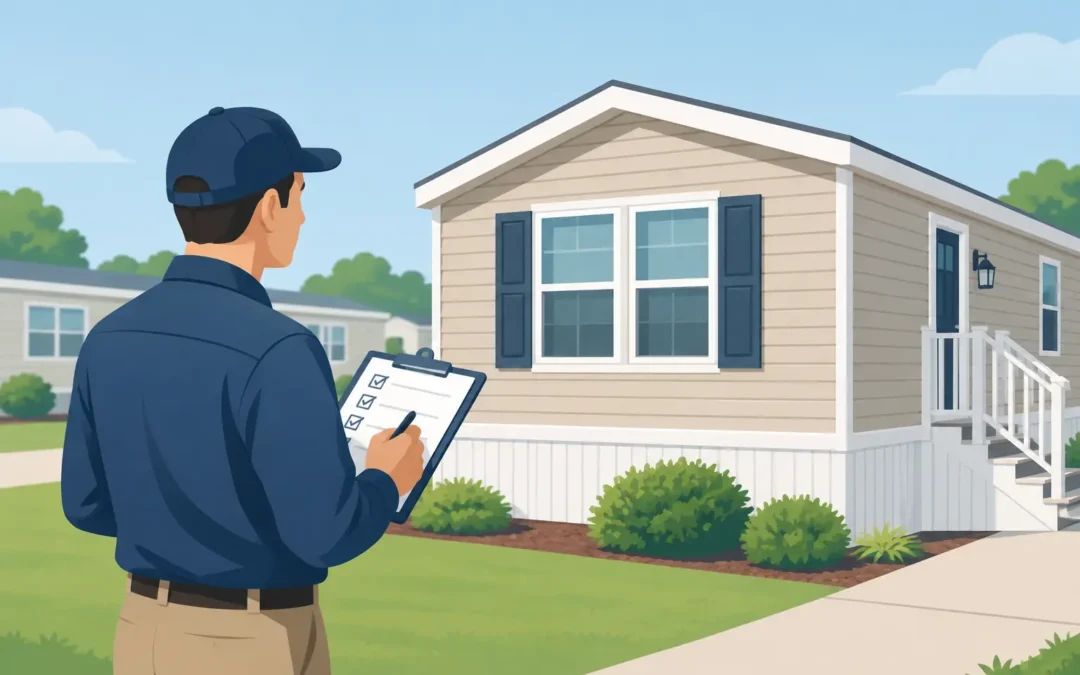
A low asking price can make a used home feel like the fastest route out of renting. But a used mobile home inspection is where you find out whether that price reflects a smart opportunity or years of deferred maintenance. A clean kitchen and fresh paint matter, but the expensive issues are usually underneath the home, on the roof, behind the walls, and in the paperwork.
For Southern California buyers, inspection is also about the property around the home. If the home sits in a community, park approval, space rent, rules, and utility responsibilities can affect whether the purchase works for your household. If it will be moved to private land, condition and transport feasibility matter just as much as appearance.
Why a Used Mobile Home Inspection Is Different
A mobile or manufactured home has systems that resemble a site-built house, but it is built, supported, and connected differently. The home may rest on piers, have a crawlspace rather than a full foundation, and use skirting to protect the underside. A problem with leveling, tie-downs, plumbing lines, or the frame can be easy to miss during a quick walkthrough.
Age changes the inspection approach. Older homes may have original electrical panels, aging supply lines, soft subfloors, single-pane windows, or roof coatings that need regular attention. That does not automatically make the home a bad purchase. It means the buyer needs a realistic repair budget and a clear understanding of what is urgent, what can wait, and what could complicate financing or insurance.
A qualified independent inspector with manufactured-home experience is usually worth the cost. The seller, park, dealer, and lender each have a different role. An inspector works for the buyer and should document visible concerns in writing. For a major concern, such as structural damage or suspected mold, bring in the appropriate licensed specialist before removing contingencies or releasing funds.
Start With Documents and the Home’s History
Ask for the home’s year, manufacturer, serial or HUD label information, and any available records for repairs, roof work, heating and cooling service, and appliance replacement. Confirm whether the home is classified and titled as personal property, real property, or another arrangement under the transaction. The answer can affect financing, taxes, and the closing process.
If the home is in a mobile home park, request the current space rent, utility billing details, park rules, age restrictions if any, pet policies, and application requirements. Do not assume you can simply take over the seller’s space. Many communities require buyer approval, and the home may not be transferable under the terms you expect.
On private property, verify permits, setbacks, septic or sewer connections, water access, and whether the home is legally installed. A beautiful home on land can still become a costly project if its placement or utility connections do not meet local requirements.
Check the Roof, Exterior, and Drainage First
Water is one of the most expensive problems in a used home because it can damage roof decking, ceilings, insulation, walls, and floors before it becomes obvious. Walk the exterior slowly. Look for missing or loose siding, cracked caulking, separation around windows and doors, damaged fascia, and stains beneath roof edges.
Ask when the roof was last repaired, coated, or replaced. A freshly coated roof is not necessarily a new roof, and a roof that looks acceptable from the ground may still have soft areas or failing seams. Inside, look carefully at ceiling corners, around vents, near skylights, and along exterior walls for stains, bubbling paint, or patched areas.
Drainage matters, especially during Southern California’s heavy winter storms. Water should move away from the home rather than collecting along the skirting. Standing water, eroded soil, or wet spots around the perimeter can point to grading, gutter, plumbing, or drainage issues.
Look Under the Home, Not Just Around It
The underside of the home tells a large part of its story. If access is safe, an inspector should evaluate the support system, piers, blocking, visible frame condition, vapor barrier, insulation, plumbing, ductwork, and signs of pests or moisture.
Pay attention to floors as you walk through the home. Soft spots, uneven areas, or a noticeable bounce can suggest subfloor damage, moisture intrusion, or support concerns. A small slope does not always mean the home is unsafe, particularly in an older home, but it deserves professional evaluation. Re-leveling may be manageable. Structural repairs or long-term water damage can be much more involved.
Tie-downs and anchoring should also be reviewed. Requirements vary by age, location, and installation type. If the home will be moved, its current setup may not meet the requirements for its next location, so include installation and transport costs in your decision rather than treating them as an afterthought.
Test Plumbing, Electrical, Heating, and Cooling
Turn on faucets, flush toilets, and run showers long enough to check water pressure, drainage, and leaks. Look inside cabinets below sinks and around the water heater. Stains, corrosion, a musty smell, or a running toilet can signal more than a minor repair. If the home has been vacant, be especially careful because a leak may not appear until water is flowing again.
Electrical concerns deserve close attention in older units. Test outlets, switches, lights, smoke alarms, and the breaker panel. Watch for warm outlets, flickering lights, exposed wiring, improvised extensions, or breakers that trip. Do not rely on a seller’s assurance that everything works. Electrical upgrades can be significant, particularly when a lender or insurer requires corrections.
Run the heating and cooling system if conditions allow. Ask the age of the furnace, air conditioner, and water heater, then check whether they are heating or cooling consistently. Replacing an aging appliance may be a reasonable part of your budget. Replacing several major systems at once can change the value of the deal.
Inspect Doors, Windows, and Interior Finishes With a Critical Eye
Open and close every exterior door and as many windows as possible. Sticking doors and windows can come from ordinary settling, worn hardware, or moisture-related movement. Cracked glass, damaged screens, gaps around frames, and failed seals affect comfort and utility costs.
Fresh paint can make a home feel move-in ready, but inspect beyond the color. Look behind furniture where possible, inside closets, under sinks, around tubs, and near floor edges. A strong air freshener, freshly painted spot, or new rug may be harmless. It may also be covering odors or stains, so ask direct questions and document what you find.
Cosmetic updates are easier to price than hidden repairs. Cabinets, flooring, fixtures, and paint can often be planned over time. Water damage, failing systems, and structural concerns should be reflected in the purchase price, seller repairs, or your decision to walk away.
Know When the Home Is Worth Pursuing
No used home will be perfect. The goal is not to create an impossible standard. The goal is to understand the total cost of ownership before you commit.
A home with an older roof coating, dated finishes, and a few repair needs may still be a strong value if the structure is sound, the utilities are functioning, the park terms are workable, and the price leaves room for improvements. A home with repeated water intrusion, serious floor damage, unverified installation, or complicated title issues deserves much more caution.
Use the inspection report to prioritize. Ask for estimates on major repairs, then compare the full picture: purchase price, space rent or land costs, insurance, financing, moving or setup needs, immediate repairs, and the monthly payment. Ownership should create more stability, not a surprise repair cycle that strains your budget.
Bring in Local Help Before You Commit
A used home can be the right answer for buyers who want more space, a lower entry point, or a practical path toward ownership. It can also be a bridge while planning a replacement manufactured home or a new home installation on family property. The right choice depends on the home’s condition and the plan behind the purchase.
Before you sign, give yourself time for a thorough inspection, park or property verification, and real repair estimates. If you are comparing a used option with a new factory-built home, Mobile Home Factory can help you discuss available floor plans, financing guidance, transportation-related needs, and what ownership could look like for your family. A clear inspection gives you the confidence to negotiate wisely, move forward prepared, or choose a better home.