
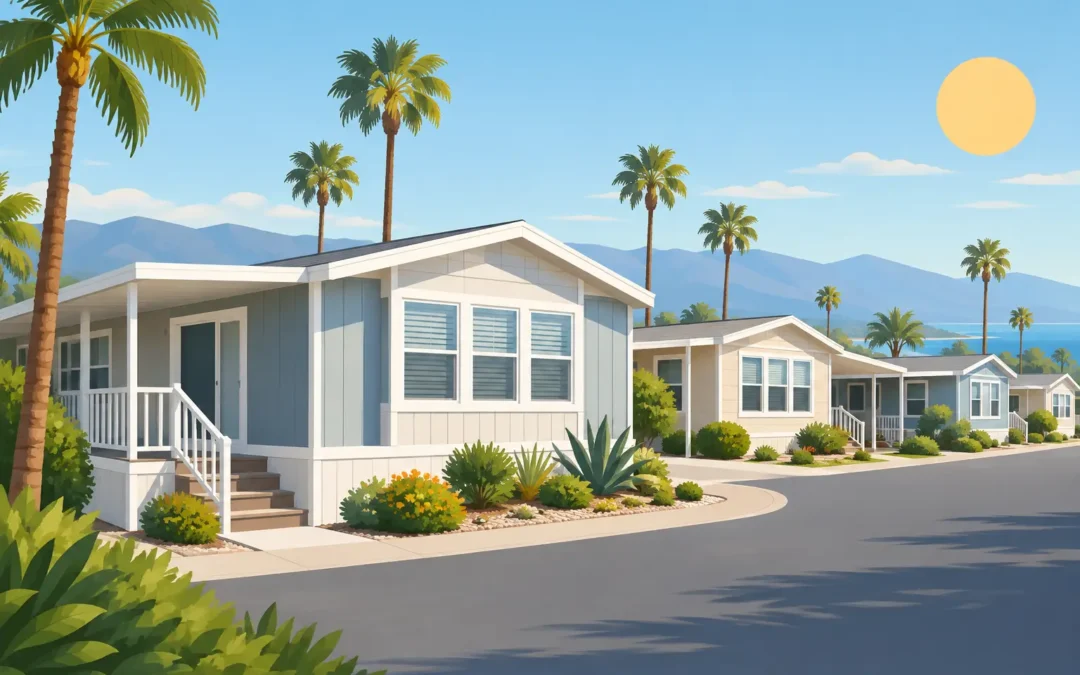
A two-bedroom home with a workable kitchen, enough storage, and a monthly payment that leaves room to live can mean more than a larger house with a price that stretches every paycheck. For many local buyers, the best Southern California mobile homes are not about finding the biggest floor plan. They are about finding a home that fits the family, the property or community, and a realistic path away from rising rent.
Southern California is not one housing market. A buyer replacing an older home in a Ventura County park faces different decisions than a family placing a manufactured home on private land in Riverside County or adding a guest home in Los Angeles County. The right choice starts with the home itself, but it also depends on where it will go, how it will be delivered, and how the purchase will be financed.
What Makes a Mobile Home the Right Choice?
The phrase “mobile home” is often used for any factory-built residence, but the details matter. Older mobile homes generally refer to homes built before federal HUD standards took effect in 1976. A modern manufactured home is built in a factory to the federal HUD Code, then transported to its final location. Modular homes are also factory built, but they are constructed to applicable state and local building codes and are commonly installed on permanent foundations.
For a buyer, the practical question is not which term sounds best. It is which type of home is accepted at the intended site and meets the household’s goals. A manufactured home may be an excellent option for a replacement in a mobile home community, a private-land installation, or a multigenerational property. A modular home may make more sense where local requirements, foundation plans, or property goals point in that direction.
Factory-built homes can offer a more structured buying process than conventional site-built construction. You can review floor plans, compare layouts, select finishes, and understand major choices before the home is built. That does not mean every cost is included in the home price. Site work, permits, utility connections, foundation or installation requirements, transportation, and community requirements can all affect the total budget. Clear planning is what turns an attractive advertised price into a workable ownership plan.
How to Compare the Best Southern California Mobile Homes
A good comparison begins with your daily life, not a brochure photo. Start by deciding how many bedrooms and bathrooms your household truly needs now and in the next several years. A first-time buyer may be well served by a compact two-bedroom plan, while a growing family may need a three-bedroom layout with separation between the primary bedroom and secondary rooms. For an aging parent, adult child, or frequent guests, privacy and accessible circulation can matter more than extra square footage.
Choose a floor plan before choosing finishes
Floor plans are where value becomes visible. Look at the kitchen work area, pantry space, laundry location, closet depth, and whether the living room provides enough room for the furniture you already own. Open-concept layouts can make a home feel larger, but some families prefer a separate den, dining space, or family room to create quieter zones.
Pay attention to bedroom placement. A split-bedroom design places the primary suite on one side of the home and additional bedrooms on the other, which can work well for families, roommates, or multigenerational households. A single-section home may be more compact and potentially easier to fit on certain sites, while a multi-section home can provide wider living areas and a more traditional residential feel. Neither is automatically better. The site, budget, and household routine should decide it.
Match the home to the site or community
Before falling in love with a specific model, confirm the rules where the home will be located. Mobile home communities may have approval procedures, age restrictions, design standards, lot-size limits, and rules for porches, awnings, sheds, or parking. Private land can involve zoning review, grading, utility access, septic or sewer considerations, permits, and foundation requirements.
Southern California sites also create practical transportation questions. Narrow streets, hillside access, overhead clearance, and lot entry points can influence which home sections can be delivered and how installation must be planned. The best home on paper is not the best home if it cannot be transported or placed efficiently. Ask about the site early, especially when replacing an existing home or considering a property with challenging access.
Compare the full ownership budget
A lower base price can be appealing, but buyers should compare complete costs rather than focusing on one number. Along with the home, budget for delivery, installation, permits, utility work, land preparation when needed, insurance, taxes, community space rent if applicable, and upgrades you consider essential.
There is also a difference between a smart upgrade and an emotional upgrade. Durable flooring, added storage, energy-conscious features, and a layout that prevents a near-term move can add everyday value. Premium finishes may be worthwhile if they fit the budget, but they should not crowd out the costs needed to get the home delivered, installed, and ready to occupy.
If you are currently renting, compare the expected ownership payment and ongoing expenses with what you are paying now and what rent could become over the next few years. Ownership is not automatically less expensive in every situation. Still, for many households, directing money toward a home instead of facing repeated rent increases is the reason to start the conversation.
Manufacturer Quality and Available Options
Recognized manufacturers matter because buyers want established product lines, dependable construction processes, and choices across price points and sizes. Skyline Homes and Champion Home Builders offer factory-built options that can serve different needs, from efficient smaller homes to larger family layouts.
Do not judge a home only by a model name or exterior image. Ask to see the standard specifications, available options, room dimensions, and what is included at the quoted price. Cabinet styles, appliance packages, insulation choices, windows, exterior treatments, and bathroom features can vary by model and configuration. A dealer can help narrow selections based on your site requirements and the way your family uses the home.
Available homes and current specials can also affect the decision. A home that is already in production or available sooner may be a strong option when timing matters, but it should still meet the site requirements and household needs. Moving too quickly into the wrong layout can cost more than waiting for the right plan.
Financing and Timing Deserve an Early Conversation
Financing a factory-built home depends on several factors, including whether you own the land, are purchasing in a community, are replacing an existing home, and the type of home being purchased. Down payment expectations, loan terms, credit history, and installation costs can all influence the available options.
The most productive approach is to discuss financing before finalizing every design choice. That gives you a clearer comfort range and helps prevent disappointment after selecting upgrades. It also lets you evaluate whether a smaller floor plan, a different configuration, or a phased approach to optional features creates a stronger overall purchase.
Timing should be treated the same way. Factory production, permits, site preparation, transport scheduling, utility work, and installation are separate parts of the process. A well-planned purchase is often faster and less stressful than trying to solve each item after the home has been selected. Buyers who bring basic site information, photos, measurements, and community rules to the first conversation usually get more useful guidance.
A Local Partner Can Simplify the Next Step
Buying a factory-built home involves more than choosing bedrooms and exterior colors. It requires coordination between the home, the site, transportation needs, installation requirements, and budget. That is where local dealer support can make a real difference, particularly for buyers who are new to manufactured housing or managing a replacement home.
Mobile Home Factory helps Southern California buyers compare floor plans, understand available-home options, discuss financing guidance, and plan for transportation-related needs. English and Spanish support can make the process more comfortable for families who want clear answers before making a major commitment.
Bring your questions, your target budget, and any information you have about your property or community. The right home is not simply the one that looks best on a screen. It is the one that can be placed correctly, financed responsibly, and enjoyed as a home your family can grow into.