
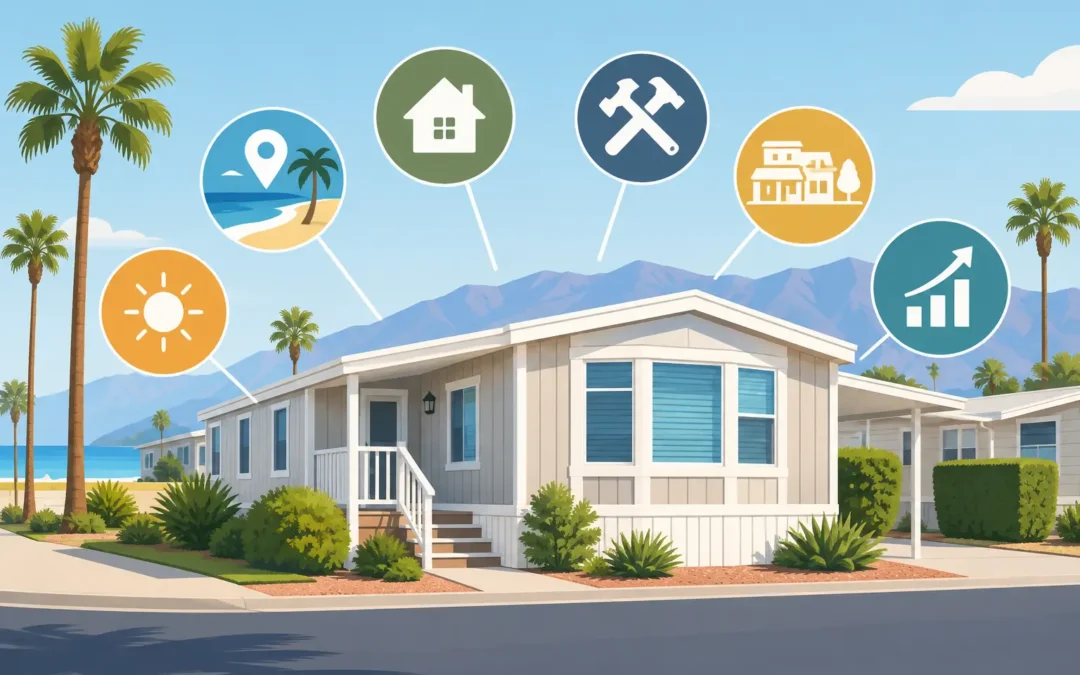
A mobile home can look nearly identical to another home across town and still carry a very different price tag. That is why understanding what affects mobile home value matters before you buy, sell, replace, or finance a factory-built home in Southern California. The home itself matters, but so do the space it occupies, the community rules, its condition, and the cost of getting a new home installed.
For buyers, value is about getting a home that fits the budget without creating surprises later. For sellers, it is about pricing realistically enough to attract qualified buyers while protecting the equity you have built. Here are the factors that deserve a close look.
Location and Land Terms Have a Major Impact
Location affects nearly every type of housing, and manufactured homes are no exception. A well-maintained home in a desirable area of Ventura County, the San Fernando Valley, Orange County, or San Diego can command more interest than a similar home in a less convenient location. Buyers consider access to work, schools, shopping, medical care, freeways, and family.
But with mobile and manufactured homes, the land arrangement is just as important as the city. Is the home on land you own, inside a land-lease community, or on a family member’s property? A home on privately owned land may be valued differently from a comparable home in a park where the buyer pays monthly space rent.
In a land-lease community, buyers will look closely at the current space rent, whether rent control applies, park age restrictions, pet policies, guest parking, and community amenities. A lower home price does not always mean a better value if monthly space rent is high or park rules limit the buyer pool. On the other hand, a clean, stable community with reasonable terms can make a home more appealing.
Age, Construction Standards, and Home Type
The year a home was built influences financing options, insurance availability, buyer demand, and expected maintenance. Newer manufactured homes often appeal to buyers because they may offer updated layouts, improved insulation, modern electrical systems, and features that feel closer to a site-built home.
Older homes can still hold meaningful value, especially when they are well cared for and located in a strong community. However, an older home may have a smaller pool of lenders or buyers, particularly if it needs major repairs. The home’s construction type also matters. A HUD-code manufactured home, a modular home, and a park-model style home may be evaluated differently depending on where it is placed and how it is titled.
Size and layout affect value as well. A two-bedroom home with an open living area may work well for a couple, while a three- or four-bedroom floor plan can be more valuable for families or multigenerational households. Extra bathrooms, a dedicated laundry room, wider hallways, and usable storage can matter more than square footage alone.
Condition Often Decides the Final Price
A seller may remember the original purchase price, but buyers will focus on what they see and what an inspection reveals. Condition is one of the clearest answers to the question, “What affects mobile home value?”
The roof, plumbing, heating and cooling equipment, electrical panel, windows, subflooring, and exterior siding all deserve attention. Water damage is especially serious. Soft floors, stains on ceilings, musty odors, or damaged walls can raise concerns about hidden repairs and quickly reduce buyer confidence.
Cosmetic condition matters too, although not every update delivers the same return. Fresh interior paint, clean flooring, repaired cabinets, working light fixtures, and a tidy exterior help a buyer picture living in the home. A neglected yard, broken steps, torn screens, or cluttered rooms can make even a sound home feel less valuable.
Before listing, it is usually smarter to address visible maintenance issues than to overspend on a full remodel. Buyers appreciate a home that feels cared for. They do not always pay dollar-for-dollar for expensive personal design choices.
Upgrades Add Value When They Match Buyer Priorities
The right improvements can strengthen a home’s market position. Updated kitchens and bathrooms, energy-efficient windows, modern appliances, new flooring, and a newer roof can all help. In warm Southern California areas, central air conditioning, ceiling fans, shade structures, and energy-saving features can be particularly attractive.
Still, upgrades work best when they solve a practical problem. Replacing worn-out plumbing is usually more valuable than adding a highly customized backsplash. A covered carport, storage shed, ramp access, enclosed porch, or improved outdoor space may also matter if it suits the community and local lifestyle.
Permits and approvals are part of the equation. Additions, decks, sheds, and exterior alterations may require park approval, permits, or both. Unapproved work can complicate a sale, insurance, or financing. Keep records for major repairs and improvements, including invoices, permits, and warranties. Documentation helps buyers understand what has been done and when.
Community Appeal and Monthly Costs Shape Demand
A manufactured home is not valued in a vacuum. Buyers are also buying into the day-to-day experience of the community. Well-kept common areas, clear rules, responsive management, parking, security, and nearby services can all support demand.
Monthly costs deserve equal attention. Space rent, utilities, property taxes where applicable, insurance, and community fees affect what a buyer can afford each month. A home with a higher asking price can still be the better choice if its ongoing costs are manageable. Conversely, a lower-priced home with high space rent may be harder for some buyers to qualify for.
For age-qualified communities, the age requirement changes the audience. That does not automatically lower value, but it does mean the home should be priced and marketed for the buyers who can actually live there.
Installation, Title, and Compliance Matter More Than Many Buyers Expect
A home’s value can be affected by paperwork and installation details that are easy to overlook. Buyers and lenders may need a clear title history, current registration where required, and confirmation that the home is properly installed. Missing documents, title issues, or unresolved liens can slow down a transaction.
If a home is being moved, replaced, or placed on private property, transportation, foundation requirements, utility connections, site preparation, permits, and local zoning can change the total investment significantly. A low purchase price is only one piece of the budget.
This is especially relevant for buyers considering a new manufactured home, a replacement home in an existing park, or a guest-house solution on private property. The best value is not always the cheapest floor plan. It is the home that can be delivered, installed, financed, and used as intended without costly surprises.
Local Supply, Financing, and Timing Affect Mobile Home Value
Market conditions influence value. When there are few move-in-ready homes available in a desirable area, clean and fairly priced homes tend to draw more attention. When buyers have many similar choices, condition, space rent, and presentation become even more important.
Financing also affects demand. Some buyers will pay cash, while others need chattel financing, a personal property loan, or financing connected to land ownership. Homes that fit common lender guidelines may reach more buyers. Sellers should be realistic about this when comparing their home to newer models or homes on owned land.
Timing can play a role, but preparation matters more. A home that is clean, priced for its condition, and supported by clear paperwork is easier to show and easier for a buyer to say yes to. Waiting for a “perfect” market rarely fixes deferred maintenance or high monthly costs.
How to Protect and Build Your Home’s Value
The most practical approach is ongoing care. Fix small leaks before they become damaged floors. Service heating and cooling equipment. Keep the exterior clean, the skirting intact, and the landscaping manageable. Save records for repairs and upgrades, especially for roofing, plumbing, electrical work, and appliances.
When you are ready to buy, compare more than asking prices. Ask about the home’s age, space rent, park rules, utility costs, condition, financing options, and any work needed before move-in. When you are ready to sell or replace a home, get a clear picture of the home, the site, and the costs involved.
Mobile Home Factory can help Southern California buyers explore available homes, floor plans, financing guidance, and transportation-related requirements. A free estimate and a straightforward conversation can help you decide whether repairing, selling, replacing, or buying is the right next move toward ownership.