
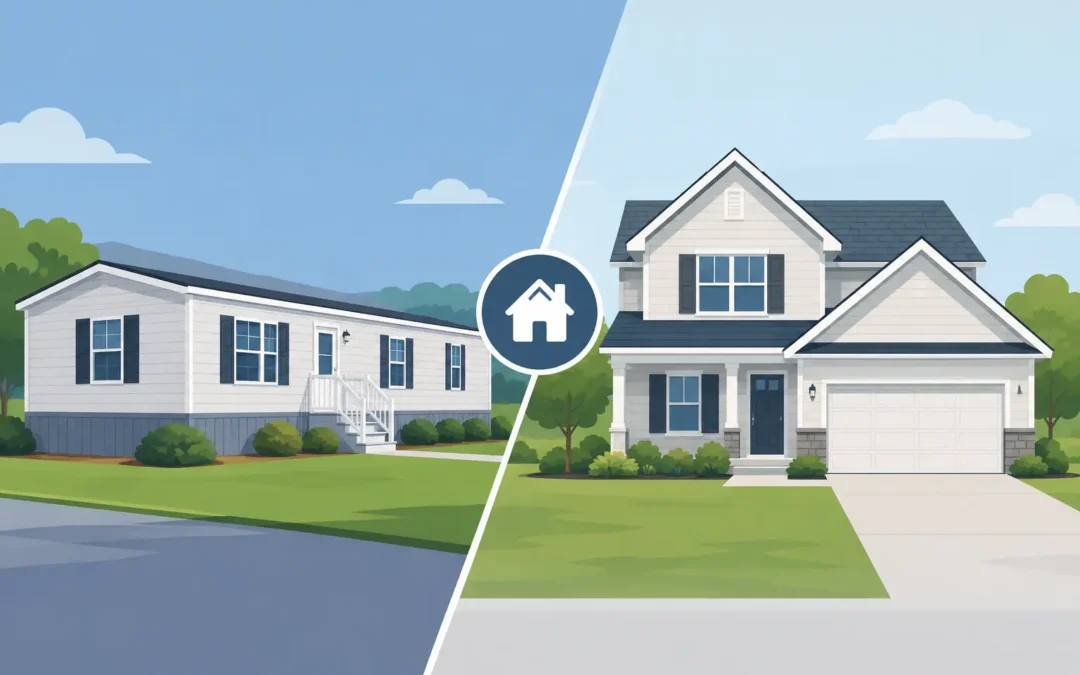
A home can look right on paper and still be the wrong fit for your property, budget, or timeline. When comparing manufactured versus site-built homes, the real question is not which option is universally better. It is which path gives you a realistic way to move from paying rent to owning a home in Southern California.
For many buyers, the biggest difference is control. A factory-built home can offer a more defined process, known floor plans, and a faster route from selection to installation. A site-built home can offer greater one-of-a-kind customization, but it often comes with more moving parts, more weather exposure, and less certainty around construction schedules.
Manufactured Versus Site-Built Homes: The Core Difference
A manufactured home is built in a factory to federal HUD Code standards, then transported to the home site and installed on an approved foundation or support system. Today’s manufactured homes may include open living areas, energy-efficient features, modern kitchens, multiple bedrooms, and exterior designs that feel far removed from older assumptions about mobile homes.
A site-built home is constructed piece by piece on the property. It is built under local and state building codes, with labor crews, materials, inspections, and construction progress managed at the job site.
The construction setting affects nearly every buyer decision. Factory construction gives manufacturers a controlled environment for building major sections of the home. Site-built construction happens outside, where rain, material deliveries, subcontractor availability, and job-site conditions can all affect timing and cost.
There is also a middle category worth understanding: modular homes. Like manufactured homes, modular homes are factory-built and delivered in sections. Unlike HUD-code manufactured homes, modular homes are generally built to the local building code required for the site where they will be placed. A knowledgeable dealer can help explain which home type makes sense for your property and local requirements.
Cost: Look Beyond the Home Price
Buyers often start with the purchase price, and that is reasonable. Manufactured homes can provide a more attainable starting point because factory production creates purchasing and construction efficiencies. Standardized floor plans and repeatable building processes can make it easier to understand the base home cost before construction begins.
But the home price is not the entire project budget. Whether you choose manufactured, modular, or site-built construction, you need to account for the land or space where the home will go. You may also need permits, grading, foundation work, utility connections, delivery access, installation, inspections, and possible site improvements.
On a private lot, a sloped hillside, narrow driveway, septic system, or distant utility connection can materially change the budget. In a manufactured home community, the equation may be different: you may have a more established site, but you should understand monthly space rent, community rules, age restrictions if applicable, and approval requirements.
Site-built homes also carry costs that can be difficult to pin down early. Custom selections, change orders, labor shortages, and unexpected site conditions may add to the final number. That does not make site-built construction a poor choice. It simply means buyers should leave room in the budget for variables that are less common in a factory-based process.
Timeline and Predictability Matter
If you need housing on a defined schedule, manufacturing time can be a major advantage. While the home is built indoors, site preparation can often move forward at the same time. Once the home is ready, transportation, installation, utility work, and final approvals still need to happen, but the building process is not waiting on daily weather conditions.
A site-built home can take considerably longer because work occurs in sequence on the property. Before the walls are framed, there may be architectural plans, engineering, permits, excavation, foundation work, and scheduling for each trade. Delays can happen even when everyone involved is working hard.
That said, factory-built does not mean instant. Southern California buyers should plan for local permitting, utility coordination, site preparation, transportation logistics, and installation requirements. A clear estimate should separate the home itself from the work required to make the site ready.
Design Flexibility: Standardized Does Not Mean Limited
Site-built homes have the advantage when your goal is a fully custom structure designed around a very specific lot, architectural style, or unusual layout. If you want to place every window, design a complex roofline, or build around a dramatic view, a custom site-built plan may offer the most freedom.
Manufactured homes offer a different kind of flexibility. Buyers can choose among established floor plans, bedroom counts, kitchen layouts, finishes, exterior colors, and options based on what a manufacturer offers. For a family that needs three bedrooms, an open kitchen, a home office, or space for multigenerational living, an available floor plan may already solve the problem without paying for a one-off design process.
This is especially valuable for buyers who want decisions to feel manageable. Instead of starting with a blank page, you can compare real models and features. Champion and Skyline home offerings, for example, give shoppers recognizable manufacturer options while allowing them to focus on the size, layout, and price range that fit their goals.
For an accessory dwelling, guest house, replacement home, or family property, the right plan may matter more than a custom label. The best home is the one that works for the people who will live in it and fits the site legally and practically.
Financing Is Different, Not Impossible
Financing is one area where buyers should avoid assumptions. A site-built home on owned land is commonly financed through a conventional mortgage, subject to lender requirements, credit, income, appraisal, and down payment standards.
Manufactured home financing depends on several details, including whether you own the land, whether the home will be titled as real property, the foundation type, the home age, and the lender’s program rules. Some purchases may use a mortgage-style loan, while others may use personal property financing. The terms, rate, down payment, and loan length can differ.
The practical step is to discuss financing early, before falling in love with a floor plan. Knowing your likely budget helps you compare homes honestly and prevents surprises when you add site work and installation costs. Buyers should also ask what documents a lender may require for the property, permits, and foundation.
The Property Can Make the Decision for You
A manufactured home may be a strong option on an approved lot, within a mobile home community, or on private property where zoning and site access allow it. But local rules matter. Cities and counties may have requirements related to setbacks, fire safety, foundations, utility service, design standards, and permits.
In areas across Los Angeles, Ventura County, Orange County, Riverside County, San Bernardino County, and San Diego, requirements can vary from one jurisdiction to the next. A property that appears large enough may still have limitations related to access, slope, utility availability, or zoning.
Before committing, confirm whether the home type is permitted on the site and what preparation is required. This is also where experienced dealer guidance matters. Transportation routes, crane needs, existing-home removal, and delivery access can affect whether a particular model is practical for the property.
Which Option Fits Your Next Move?
Manufactured housing can be a practical choice if you want a more predictable path, a clear selection of floor plans, and a chance to pursue ownership without taking on the full uncertainty of a custom construction project. It can work particularly well for first-time buyers, families replacing an older home, and property owners adding living space where local rules allow.
Site-built construction may fit better when the lot requires a highly customized plan, the budget supports a longer build process, or architectural flexibility is the top priority. It can be the right answer, but it is rarely the simplest answer.
The useful comparison is not factory-built versus “better built.” It is predictable production and established plans versus greater on-site customization. Both can create a comfortable, lasting home when the property, financing, and installation plan are aligned.
If ownership feels out of reach because rent keeps rising, start by asking what is actually possible. Talk through available homes, floor plans, financing considerations, and the requirements of your specific site. Mobile Home Factory can help buyers take that first practical step with a free estimate and bilingual English/Spanish support.