
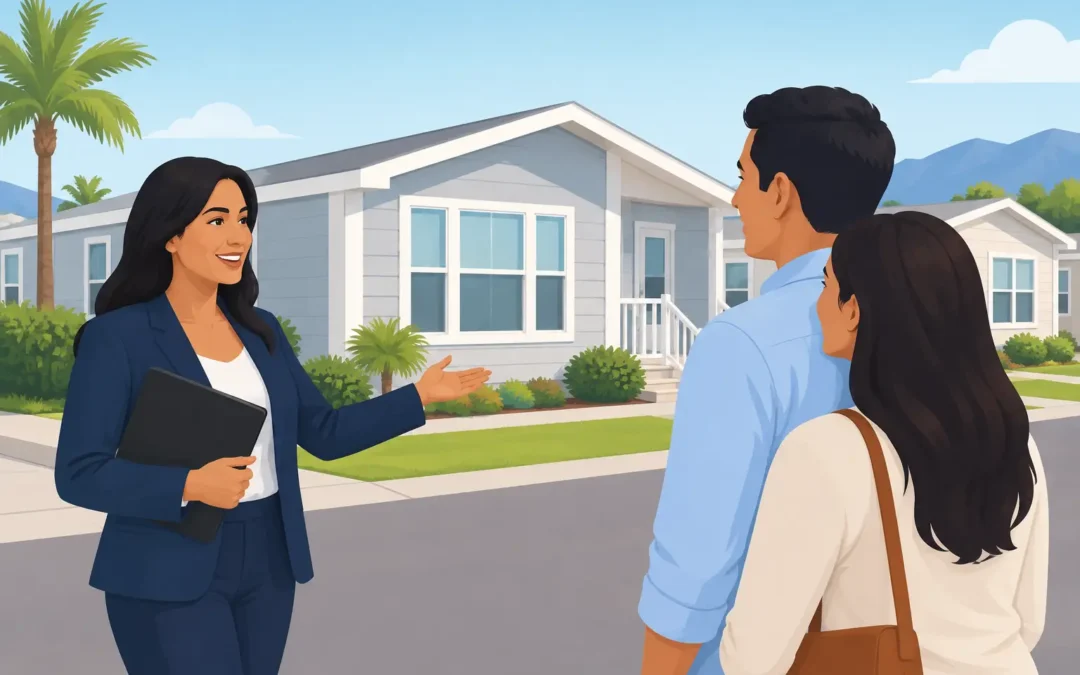
A home purchase can feel out of reach when rent keeps climbing and every conversation about financing, permits, and transportation comes with unfamiliar terms. Working with a Spanish speaking manufactured home dealer gives Southern California buyers a clearer way to ask questions, compare homes, and make decisions without feeling rushed or misunderstood.
For many families, this is not only about buying a home. It can mean replacing an older mobile home, creating room for relatives, adding a guest house solution on eligible property, or moving from monthly rent toward ownership. The right dealer should make the process easier to understand in the language you prefer while being honest about the steps that still need to happen.
What a Spanish Speaking Manufactured Home Dealer Should Help You Understand
Bilingual service is more than translating a brochure. A helpful dealer should be able to explain the practical choices behind your purchase in English or Spanish: the difference between a manufactured, mobile, and modular home; how floor plans affect your daily life; what may be included in the home price; and which costs depend on the site.
That distinction matters. A factory-built home may have an attractive starting price, but the complete project can also involve delivery, installation, utility connections, site preparation, permits, foundation or support requirements, and removal of an existing home. The exact scope depends on whether the home will be placed in a mobile home park, on private land, or as part of an approved additional dwelling project.
A local dealer cannot make every outside cost disappear, and a trustworthy one should not pretend otherwise. What they can do is help you identify the right questions early, request a free estimate, and understand which parts of the project are handled by the dealer and which require coordination with the park, city, county, contractor, or lender.
Start With Your Homeownership Goal
Before looking at photos or model names, get clear on what the home needs to do for your household. A couple replacing a home in a senior community may prioritize a comfortable single-level layout. A growing family may need three bedrooms, more storage, and a larger kitchen. A property owner considering a guest house may need a compact floor plan that fits site limitations and local requirements.
Share those details with your dealer from the first conversation. The more clearly you explain your household size, preferred area, whether you already have a space or land, and your target budget, the more useful the recommendations will be.
It also helps to separate needs from wishes. Two bathrooms may be essential for a multigenerational family, while a large island may be a preference. A realistic discussion about priorities can prevent you from falling in love with a plan that does not fit your location, budget, or financing path.
Compare floor plans, not just square footage
Square footage is useful, but it does not tell the whole story. Hallway width, bedroom placement, closet space, kitchen layout, laundry location, windows, and the relationship between living and dining areas affect how a home feels every day.
Ask to see available floor plans from established manufacturers such as Skyline Homes and Champion Home Builders. Compare entry points, room dimensions, storage, and upgrade options. If you are planning for parents, adult children, or frequent guests, pay close attention to privacy between bedrooms and the availability of a second bathroom.
A smaller home with a smart layout may work better than a larger plan with space you will not use. On the other hand, choosing too little space to keep the initial price down can become frustrating quickly. A bilingual dealer should help you weigh both sides without pushing you toward a one-size-fits-all answer.
Get Clear on Pricing and Financing Early
The purchase price of a factory-built home is only one part of the financial picture. Ask for a clear explanation of the home itself, selected options, delivery-related needs, installation, and any known site work. Some costs are easier to estimate after the site has been reviewed, which is why a free estimate and an upfront conversation are valuable.
Financing also varies based on the home type, location, credit profile, down payment, land ownership, and whether the home is going into a park. Buyers sometimes assume financing works exactly like a conventional site-built home mortgage. It may not. There can be different loan structures for a home in a land-lease community, a home placed on private property, or a project where land and home are financed together.
Do not let unfamiliar paperwork stop you from asking questions. Ask for financing guidance in Spanish if that is more comfortable for you. You should understand the estimated payment, interest rate, loan term, down payment, closing costs, insurance expectations, and whether site-related work is included or paid separately.
A monthly payment should be considered alongside park space rent, property taxes where applicable, utilities, insurance, maintenance, and reserve savings. Ownership can be a strong alternative to renting, but the best decision comes from seeing the full monthly picture rather than focusing only on the advertised home price.
Confirm the Site Before You Commit
A beautiful floor plan is only useful if it can be placed where you need it. If you already have a space in a mobile home park, verify the park’s rules before selecting a model. Parks may have requirements related to home size, age, roof style, exterior finishes, setbacks, approval processes, pets, and occupants.
If you own land or are considering a guest house arrangement, site conditions become even more important. Access for transportation, slope, utility availability, zoning, local approvals, and the condition of the property can shape what is possible. Southern California properties vary widely, from tighter Los Angeles-area lots to more open sites in parts of Ventura, Riverside, San Bernardino, and San Diego counties.
Transportation is not an afterthought. A home must travel safely from the factory to the destination, and access routes can affect planning. Trees, narrow roads, overhead lines, gates, and terrain may require additional coordination. If an existing manufactured home needs to be removed, discuss that need early as well. A dealer that coordinates transportation and removal-related needs can help keep the process organized.
Questions Worth Asking Your Dealer
You do not need to know every industry term before you call. You do need answers that are specific to your situation. Ask which homes are currently available, what floor plans match your budget, what is included in the quoted price, and what items may be separate.
Also ask how long the expected process may take, what approvals are needed before delivery, and what happens if the site requires additional work. If you are comparing multiple homes, ask the dealer to explain the meaningful differences rather than simply pointing to the highest-priced option.
Communication matters just as much as the answer itself. You should feel comfortable asking for an explanation again, reviewing documents in your preferred language, and involving family members in the conversation. Buying a home is a major decision. Clear communication protects your budget and gives you more confidence at every stage.
Choose Local Support That Stays Practical
A dealer with local experience can help you focus on the details that matter in Southern California: park rules, transportation planning, regional service coordination, and the range of housing needs found across the area. Mobile Home Factory provides bilingual English and Spanish support for buyers who want to explore manufactured, mobile, and modular home options with a local team.
The best next step is simple: call for a free estimate and describe what you need. Bring your questions about financing, available homes, floor plans, replacement homes, or extra living space for family. You do not need to have every answer before you start. You only need a clear goal and a dealer who will explain the path to ownership in terms you understand.